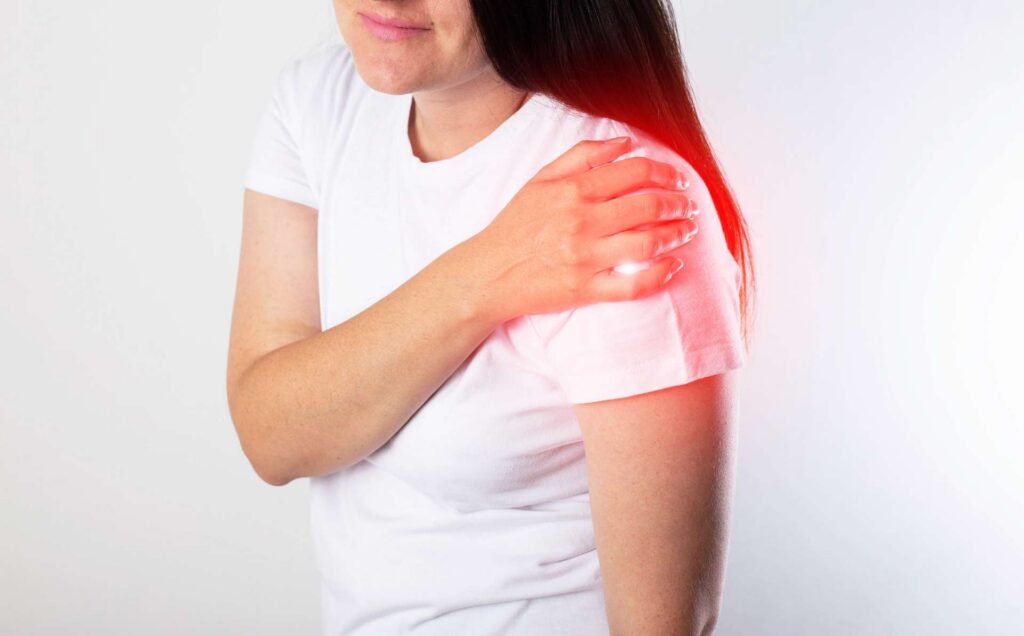
Ongoing shoulder pain can interfere with everyday activities like reaching overhead or sleeping comfortably. When shoulder discomfort persists over an extended period of time, it often points to internal joint damage that will not improve with rest alone. Leaving shoulder issues untreated can lead to reduced strength, limited mobility and chronic pain that affects your work, exercise, sleep and quality of life.
At Angelo Mattalino, M.D., we focus on identifying the source of shoulder pain and addressing it in a personalized fashion. Led by Dr. Angelo Mattalino, our practice uses shoulder arthroscopy to diagnose and treat shoulder conditions through a minimally invasive approach. Shoulder arthroscopy allows us to repair damage with smaller incisions, less disruption to surrounding tissue and a more controlled recovery process.
Understanding Your Shoulder Joint
The shoulder is one of the most mobile joints in the body, allowing the arm to lift, rotate and move in multiple directions. This flexibility comes from the interaction of bones, tendons, ligaments and muscles working together within a shallow joint. The rotator cuff and labrum play a critical role in keeping the joint stable while guiding smooth, controlled motion.
Because the shoulder relies heavily on soft tissue support, it is more vulnerable to injury from overuse, trauma or gradual wear. Even minor damage inside the joint can affect strength, mobility and comfort. This is why precise treatment, such as shoulder arthroscopy, is often used to evaluate and repair internal shoulder issues while preserving natural joint function.
What Is Shoulder Arthroscopy?
Shoulder arthroscopy is a minimally invasive surgical procedure used to examine, diagnose and treat problems inside the shoulder joint using a small camera called an arthroscope. The camera is inserted through a small incision and projects detailed images onto a monitor, allowing Dr. Mattalino to view the joint in real time. Through additional small openings, Dr. Mattalino uses specialized instruments to repair damaged tissue.
Benefits Of Shoulder Arthroscopy
Minimally Invasive Joint Access
Shoulder arthroscopy uses small incisions to access the joint, which reduces disruption to surrounding muscles and soft tissue. This approach helps protect shoulder mechanics while allowing for effective repair.
Improved Surgical Precision
The arthroscopic camera provides high-definition visualization inside the joint. This allows Dr. Mattalino to identify damaged tissue and perform accurate repairs without using open techniques that are more invasive and may require more downtime.
Reduced Postoperative Discomfort
Because less tissue is disturbed, patients often experience less swelling and discomfort after shoulder arthroscopy. This can make the early recovery period more manageable and controlled.
Faster Return To Daily Activities
Many patients regain functional movement sooner after shoulder arthroscopy than after traditional surgery. Earlier mobility supports daily tasks such as dressing, driving and light activity.
Preservation Of Shoulder Strength
By avoiding large incisions and muscle detachment, shoulder arthroscopy helps maintain natural shoulder strength. This is especially important for patients who rely on overhead movement for work or sports.
Lower Risk Of Scarring
Smaller incisions typically result in minimal visible scarring. This can be an added benefit for patients who value both functional and cosmetic outcomes.
Supports Long-Term Joint Health
Targeted repair through shoulder arthroscopy helps restore proper joint alignment and movement patterns. Correcting the source of damage supports durability and long-term shoulder performance rather than temporary relief.
Shoulder Arthroscopy vs. Other Shoulder Surgeries
If you are dealing with ongoing shoulder pain or limited movement, you may be wondering how shoulder arthroscopy compares to other surgical options. The right approach depends on the type of injury, the severity of damage, your activity level and your long-term goals for shoulder function. Understanding these differences can help clarify why Dr. Mattalino may recommend one procedure over another.
Open Shoulder Surgery
Open shoulder surgery involves a larger incision to fully expose the joint and surrounding structures. This approach may be necessary for complex injuries, extensive tissue damage or cases that require reconstruction beyond what small instruments can safely address. While open surgery can be effective, it typically involves more disruption to muscles and soft tissue. Recovery often takes longer, and postoperative stiffness can be more pronounced compared to shoulder arthroscopy.
Mini Open Shoulder Repair
Mini open repair combines arthroscopic evaluation with a smaller open incision to complete part of the procedure. This technique is sometimes used for larger rotator cuff tears when full visualization and direct repair are needed. Although less invasive than traditional open surgery, it still requires cutting through some tissue, which can extend recovery time when compared to fully arthroscopic techniques.
Shoulder Replacement Surgery
When the shoulder joint is severely damaged by arthritis, fractures or long-standing degeneration, shoulder replacement may be the most appropriate option. This procedure replaces damaged joint surfaces with artificial components. While it can significantly reduce pain, it is generally reserved for advanced conditions where joint preservation is no longer possible. Shoulder replacement is a more extensive surgery with a longer rehabilitation timeline than shoulder arthroscopy.
What to Expect From Shoulder Arthroscopy
Before
Preparation plays a vital role in achieving a safe and successful outcome with shoulder arthroscopy. Before your procedure, you will meet with Dr. Angelo Mattalino for a detailed consultation. During this visit, he will:
- Review your medical history, current medications and imaging studies
- Examine your shoulder for strength, stability and range of motion
- Discuss your symptoms, daily limitations and activity goals
- Explain how shoulder arthroscopy works and what the recovery process involves
This appointment allows Dr. Mattalino to tailor the procedure to your specific condition and ensure you are informed and confident as you move forward.
During
Shoulder arthroscopy is typically performed as an outpatient procedure, which means most patients return home the same day. You will receive anesthesia to keep you comfortable throughout surgery.
During the procedure:
- Small incisions are made around the shoulder, each only a few millimeters long
- An arthroscope is inserted to project clear images of the joint onto a monitor
- The shoulder joint is carefully inspected to locate damaged tissue
- Specialized instruments are used to repair or smooth injured structures
- The joint is flushed, and the incisions are closed with sutures or adhesive strips
Because shoulder arthroscopy is minimally invasive, there is less stress on surrounding tissue. This often translates to reduced discomfort and a quicker return to activity.
After
Following surgery, you will spend a short period in recovery as the anesthesia wears off. Most patients go home the same day with personalized instructions.
In the early recovery phase, patients are typically advised to:
- Rest the shoulder and limit overhead movement
- Use ice to manage swelling and discomfort
- Wear a sling if recommended for support and protection
- Take prescribed or over-the-counter pain medication as directed
Physical Therapy And Return To Activity
Physical therapy is a key part of recovery after shoulder arthroscopy. Early sessions focus on gentle movement and reducing stiffness. Over time, therapy progresses to strengthening and stability exercises aimed at restoring function. As healing continues, activities are gradually reintroduced based on progress and clinical guidance to support a safe return to work, exercise and daily routines.
Preparing For Shoulder Arthroscopy
Preparing in advance for shoulder arthroscopy can help reduce stress and support a smoother recovery. Before your procedure, you will receive detailed instructions from Dr. Mattalino based on your medical history and treatment plan.
You may be asked to:
- Temporarily stop certain medications or supplements that may affect bleeding or anesthesia
- Arrange for someone to drive you home after surgery
- Avoid eating or drinking after a specified time the night before your procedure
- Set up a recovery area at home with pillows, ice packs and frequently used items within reach
If you smoke, cutting back or quitting before shoulder arthroscopy can support better circulation and tissue healing. Staying well-hydrated and maintaining balanced nutrition leading up to surgery also helps prepare your body for recovery and promotes more efficient healing after the procedure.
Frequently Asked Questions About Shoulder Arthroscopy
How Much Does Shoulder Arthroscopy Cost?
Shoulder arthroscopy cost depends on factors such as the complexity of the procedure, insurance coverage, facility fees and anesthesia. Our team reviews expected costs and insurance details during your preoperative planning to avoid surprises.
How Do I Know If Shoulder Arthroscopy Is Right For Me?
The best way to determine whether shoulder arthroscopy is appropriate is to consult Dr. Angelo Mattalino. A comprehensive evaluation, including imaging, symptom assessment and activity goals, helps guide personalized treatment recommendations.
How Long Does Shoulder Arthroscopy Take?
Many patients ask how long shoulder arthroscopy takes before scheduling surgery. In most cases, the procedure lasts between 30 and 90 minutes, depending on the complexity of the repair and the structures involved. Your exact surgical time will be discussed during your consultation.
Is Shoulder Arthroscopy Painful?
Patients often experience soreness or stiffness after shoulder arthroscopy rather than sharp pain. Discomfort is typically manageable with medication, ice and rest, especially during the first few days following surgery.
Can Shoulder Arthroscopy Prevent Future Shoulder Problems?
By repairing damaged tissue and restoring joint mechanics, shoulder arthroscopy can help reduce the risk of further injury. While no procedure can prevent all future issues, addressing problems early supports long-term shoulder health and stability.
What Happens If I Delay Shoulder Arthroscopy?
Delaying treatment may allow shoulder damage to progress, which can lead to increased pain, weakness or loss of motion. A timely evaluation helps determine whether shoulder arthroscopy is appropriate or if you should consider other options.
Why Choose Dr. Angelo Mattalino For Shoulder Arthroscopy?
Choosing the right surgeon is essential for achieving a successful outcome from shoulder arthroscopy. Dr. Angelo Mattalino brings decades of orthopedic experience and a deep understanding of sports and joint preservation to every procedure he performs. His approach centers on accuracy, thoughtful planning and personalizing care so it aligns with your lifestyle and long-term goals.
As a respected orthopedic surgeon and sports medicine specialist in the Scottsdale area, Angelo Mattalino has worked with athletes, active individuals and patients who expect a high level of precision from their care. His experience with minimally invasive shoulder techniques allows him to address complex joint issues while prioritizing joint integrity, strength and function.
At Angelo Mattalino, M.D., patients receive more than a surgical procedure. Care is built around education, clear communication and individualized planning before, during and after shoulder arthroscopy. Dr. Mattalino takes the time to explain treatment options, recovery expectations, rehabilitation planning and expected results so patients feel informed at every stage. Whether your goal is to return to sports or simply resume daily activities without pain, his patient-focused philosophy supports confident decisions and lasting shoulder health.
Regain Strength, Mobility and Confidence In Your Shoulder
When shoulder pain begins to limit your movement, strength or confidence, it may be time to consider a solution that addresses the problem at its source. Shoulder arthroscopy offers an effective way to relieve discomfort and improve joint function without extensive disruption to surrounding tissue.
With care led by Angelo Mattalino, M.D., patients receive thoughtful evaluation, personalized treatment planning and consistent support throughout recovery. Whether you are an athlete aiming to return to performance or an active adult who wants to move comfortably again, shoulder arthroscopy is designed to restore comfort and confidence in everyday motion.
If shoulder pain is holding you back, the next step starts with a conversation. Schedule a consultation to learn whether shoulder arthroscopy is the right option for your condition and your goals and take a meaningful step toward lasting comfort and renewed mobility.